Gutter Repair Hackettstown: A Smart Investment for Home Protection
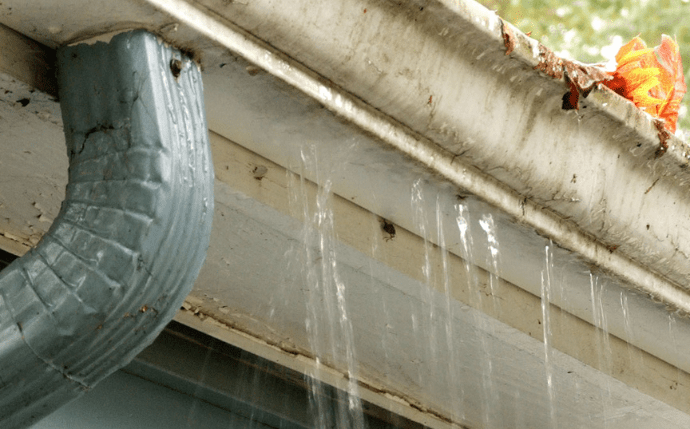
A gutter system rarely gets much attention when it is doing its job well. Water moves off the roof, into the channels, down the downspouts, and away from the house. No drama, no puddles, no stained siding. That quiet performance is exactly why many homeowners put off repairs. Gutters seem simple, almost incidental, until the day they are not.
In Hackettstown, that delay can get expensive fast. Homes here deal with a real mix of weather patterns, from heavy spring rain to summer downpours, falling leaves in autumn, and winter freeze and thaw cycles that test every seam and fastener. When gutters start to sag, leak, or pull away from the fascia, the problem is rarely limited to the gutter itself. Water tends to travel. It finds the roof edge, the siding joints, the foundation line, the basement wall, the landscape beds, and the places a homeowner cannot easily see.
That is why Gutter Repair Hackettstown is not just a maintenance issue. It is a home protection issue. Timely repair often costs far less than the damage that follows neglect, and that damage can spread across several parts of the property at once.
Why gutters matter more than most homeowners think
A roof sheds thousands of gallons of water over the course of a year. Even a moderate rainstorm can move a surprising volume off the roof surface in a short window. Gutters are there to control that runoff and direct it to a safe discharge point. When they fail, the water does not politely disappear. It spills over the edge, sheets down exterior walls, saturates mulch beds, carves channels in the yard, and pools around the foundation.
I have seen homeowners focus on a damp basement wall or cracked flower beds without realizing the source was ten feet overhead. They assume the issue is grading alone, or a foundation crack, when the first problem was a disconnected downspout elbow or a section of gutter pitched the wrong way. The repair bill grows because the visible symptom gets treated while the original cause continues working in the background.
A functioning gutter system protects more than the foundation. It helps preserve fascia boards, soffits, siding, trim, window frames, and entryways. It can also reduce staining on masonry and prevent slippery areas near walkways. On houses with lower rooflines over porches or garages, overflow can create especially noticeable trouble because runoff lands in concentrated sheets near doors and driveways.
The Hackettstown factor
Local conditions matter. A gutter system that performs well in a dry climate may struggle in a place where seasonal debris and freeze thaw stress are part of normal life. Hackettstown homes often sit among mature trees, which means leaves, twigs, seed pods, and roof grit can build up faster than many owners expect. Even if the gutter itself is structurally sound, a clog turns it into a heavy trough of standing water.
Winter adds another layer. Water that cannot drain properly may freeze in the gutter or downspout. As ice expands, seams can separate and brackets can loosen. Add another thaw, another rain, another freeze, and small weaknesses become visible failures. Homeowners often first notice the issue in spring, when water starts spilling at one corner or a gutter line appears uneven from the ground.
The region’s weather also tests sealants. Sun exposure, moisture, and temperature swings break down older caulking over time. A seam that held for years may suddenly begin to drip. That sort of leak looks minor at first, but if it sits near fascia or window trim, it can quietly feed wood rot.
What failing gutters usually look like
Not every gutter problem announces itself with a dramatic collapse. More often, the signs are subtle at first. A small overflow during rain. A dark streak on siding. A downspout that drips at the connection instead of carrying water cleanly to the bottom. Nails or screws found in the mulch bed can also tell a story. They often mean the system is pulling loose.
A homeowner does not need to be a contractor to spot warning signs. In practice, a few clues tend to come up again and again:
- water spilling over the front edge during a normal rain
- visible sagging or sections that look wavy instead of straight
- peeling paint or soft wood near the fascia and soffit
- pooling water near the foundation after storms
- separated joints, rust spots, or leaking end caps
If even one of those conditions is showing up consistently, the system deserves a closer look. Sometimes the fix is straightforward. Sometimes the visible problem points to a larger issue with pitch, support spacing, or discharge location.
Repair is often cheaper than people expect
Many homeowners hear the word repair and mentally jump to replacement. That is not always necessary. A lot depends on the age of the system, the material, the extent of corrosion, and whether the trouble is isolated or widespread.
A loose bracket can often be reset or replaced. A leaking seam can sometimes be cleaned and resealed if the surrounding metal is still solid. A downspout that drains too close to the house may only need reconfiguration or an extension. Even a section with minor denting may remain serviceable if water flow is not compromised. On the other hand, if the gutter is full of rust perforations, badly warped, or repeatedly pulling from rotted fascia, replacement may be the more honest recommendation.
https://waylonsmyc954.novacrestiq.com/posts/affordable-gutter-repair-hackettstown-homeowners-can-trustGood repair work is less about patching whatever is obvious and more about understanding why the failure happened. I have seen homeowners pay for the same “fix” two or three times because no one addressed the true cause. If a section keeps backing up, there may be a hidden clog at the outlet. If fasteners keep loosening, the fascia may no longer hold them securely. If one corner always overflows, the pitch may be too flat to move water efficiently.
That is where experienced judgment matters. Smart Gutter Repair Hackettstown service is diagnostic first, corrective second.
Common gutter problems and how professionals approach them
Seam leaks are among the most common complaints. Older sectional gutters naturally have more joints, which creates more opportunities for leaks. A proper repair usually involves cleaning the area thoroughly, removing failed sealant, checking for movement at the joint, and resealing with appropriate material. If the joint has shifted or the metal is compromised, that section may need replacement.
Sagging gutters often result from failing hangers, poor spacing, excessive debris weight, or wood deterioration behind the metal. Simply driving in a new fastener without checking the backing material is a short term move. A solid repair may include replacing hangers, adjusting pitch, and addressing damaged fascia where needed.
Clogged downspouts can be deceptively stubborn. Some are packed with wet leaf matter that compacts into a dense blockage. Others clog at elbows where roof grit and small debris collect over time. Clearing the visible top opening is not always enough. Water needs to be tested through the full vertical run and out to the discharge point.
Improper pitch is another frequent issue, particularly on older installations or DIY work. Gutters need enough slope to guide water to the outlet without looking visibly tilted from the ground. Too little pitch causes standing water. Too much pitch can look awkward and reduce capture performance along the run. Adjusting pitch takes a careful eye and a practical sense of how the line will behave in real rain, not just on a dry day.
When repair makes sense, and when replacement is smarter
There is no single rule that fits every house. The right decision depends on scope, material condition, and long term value. If the system is relatively young and most issues are isolated, repair is usually the practical move. If multiple sections leak, rust is widespread, the gutters are undersized for the roof area, or fascia damage is extensive, replacement may provide better value over time.
A fair assessment should include the age of the gutters, how many linear feet are affected, whether the downspouts are adequate, and whether the system has been maintained. A repair on a well built gutter that has one failed seam is very different from a repair on a neglected system near the end of its service life.
There is also the question of appearance. On a visible front elevation, homeowners may care about straight lines and clean finish as much as function. That is reasonable. A repaired system should not look pieced together if the house is otherwise well kept. Professionals who care about the craft will usually tell you plainly when a patch will work functionally but still leave the system looking tired.
The hidden costs of putting it off
Delayed gutter repair tends to trigger a chain of secondary damage. What begins as a manageable service call can turn into carpentry, masonry cleaning, landscape restoration, or basement moisture mitigation. I have seen overflow from one bad corner wash out a planting bed in a single season, then freeze near a walkway in winter and create a slip hazard. Another common scenario is water repeatedly soaking the fascia until the wood softens, at which point the gutter loses its anchor and the repair becomes more involved.
Moisture around the foundation is a serious concern, especially if grading is already marginal. A house does not need a flooded basement to suffer from poor drainage. Chronic dampness can contribute to musty odors, staining, and gradual wear on materials. Once water starts moving where it should not, it rarely limits itself to one problem.
That is why prompt Gutter Repair Hackettstown service should be viewed as preventive spending. It protects components that are far more expensive and disruptive to repair later.
What a thorough inspection should cover
A good gutter inspection goes beyond looking up from the lawn. It should account for the full path of water, from roof edge to final discharge area. Professionals vary in process, but the best ones tend to evaluate the system holistically rather than treating each symptom as isolated.
A solid inspection usually looks at these areas:
- attachment points, fasteners, and signs of fascia weakness
- gutter pitch, standing water, and flow toward outlets
- seams, end caps, corners, and visible corrosion
- downspout clogs, elbow connections, and termination points
- nearby evidence of water damage on siding, trim, soil, or foundation zones
That last part matters. Exterior clues often reveal the history of the problem better than the gutter itself. Splash marks, eroded mulch, mildew on lower siding, and settled soil near corners can all indicate how the system has been failing over time.
Materials, age, and repair strategy
Aluminum gutters are common because they are lightweight, corrosion resistant in ordinary conditions, and relatively easy to shape and install. They repair well when damage is limited and the metal remains sound. Steel gutters can be durable but may develop rust if coatings fail or maintenance lapses. Vinyl systems are less common in some higher end applications and can become brittle with age, especially where temperature swings are pronounced.
Material affects both repair options and lifespan expectations. For instance, resealing a joint on aging metal with broad corrosion around it is very different from resealing a joint on a newer aluminum run with otherwise healthy structure. Similarly, a dented section on a softer material may still function, while a cracked section on brittle vinyl often needs replacement.
Older homes in Hackettstown may also have custom details or rooflines that call for more careful matching. Historic character matters on many properties. Repairs should respect the house, not just the drainage function. That can mean taking extra time to align profiles, preserve trim, and avoid obvious mismatches.
Gutter guards are not a cure all, but they can help
Many homeowners ask whether gutter guards eliminate repair needs. They do not. They can reduce debris buildup in the gutter trough, depending on the product and the tree conditions around the home, but they do not make a system maintenance free. Fine debris can still accumulate. Downspouts can still clog. Pitch problems, loose hangers, seam leaks, and fascia rot can still occur.
That said, guards can make sense in certain settings, especially where leaf load is heavy and access is difficult. The real value depends on the design of the guard, the roof type, and nearby trees. A pine heavy lot behaves differently than one dominated by broadleaf trees. Some guards handle larger leaves well but struggle with fine debris. Others improve debris shedding but complicate cleaning or inspection. A useful recommendation should reflect the actual property, not just a generic sales pitch.
Seasonal timing matters
If there is a best time to address gutter problems, it is before the next weather event tests them. Spring and fall are the busiest seasons for obvious reasons, but waiting until a contractor’s schedule is packed can mean living with active leakage longer than necessary.
Late summer and early winter can be smart windows for service if problems are spotted early. A repair completed before leaf drop or before freezing temperatures arrive can prevent a lot of seasonal stress. In practical terms, homeowners should pay extra attention after heavy rains, after strong wind events, and after winter when hardware and seams have taken a beating.
One simple habit goes a long way: observe your gutters during an actual rainstorm. A five minute look from a safe spot under cover can reveal more than a dry weather inspection from the ground. You can often see overflow points, dripping joints, and downspouts that are not discharging properly in real time.
Choosing the right contractor for Gutter Repair Hackettstown
Not every exterior contractor approaches gutter work with the same level of care. The difference often shows up in diagnosis, communication, and finish quality. A good contractor should be able to explain what failed, why it failed, and whether repair or replacement offers better value. If the answer is vague or rushed, that is worth noting.
Look for someone who treats drainage as part of the building envelope, not as a minor accessory. The best repair technicians notice siding stains, fascia softness, splash patterns, and discharge problems because they understand where water goes next. They also tend to be realistic. If a repair is worthwhile, they will say so. If the system is at the end of the road, they should tell you that plainly instead of selling repeated small fixes.
Clean workmanship matters too. Gutters are visible architectural lines. A repaired section should sit straight, drain properly, and look intentional. Sealant should not be smeared carelessly across joints. Downspouts should align cleanly. Extensions should direct water away without creating a tripping hazard or an eyesore.
The return on a repair most people forget to calculate
When homeowners think about return on investment, they often focus on kitchens, baths, or windows. Those are easy to see and easy to discuss. Gutter repair does not get the same attention, yet the return can be immediate in the form of damage avoided.
If a modest repair prevents fascia replacement, basement dampness, siding staining, or foundation drainage problems, the value is clear. There is also a quality of life element that matters. You stop worrying every time it rains. You stop watching water pour over the edge by the front steps. You stop wondering if that wet spot near the foundation is getting worse. That peace of mind is hard to assign a dollar figure to, but homeowners feel it.
For sellers, working gutters also support curb appeal and inspection readiness. Buyers notice drainage issues more often than owners expect. A stained siding corner, a loose downspout, or visible overflow during a showing day storm can suggest broader neglect, even if the rest of the house is well maintained. Small exterior defects can shape perception quickly.
A practical way to think about the decision
If your gutters are carrying water properly, staying attached, and keeping runoff away from the home, they are doing one of the most important protective jobs on the property. If they are not, every storm becomes a test your house is failing.
That is the real case for Gutter Repair Hackettstown. It is not flashy. It is not the kind of project people post about with pride the way they do a remodel. But it is one of the smartest maintenance decisions a homeowner can make because it protects so many other systems at once.
A house does not need perfect gutters. It needs sound gutters, proper drainage, and repairs done before minor faults become expensive damage. In a place like Hackettstown, where weather and seasonal debris keep testing the exterior year after year, that kind of preventive attention is not extra. It is part of responsible ownership.
When a gutter starts leaking, sagging, or overflowing, the question is not whether it will matter. The question is how long you want water to keep winning.
Just Gutters LLC
Address: 262 Main St, Hackettstown, NJ 07840
Phone number: +12013319454
FAQ About Gutter Repair Hackettstown
What is the average cost to repair gutters?
The average cost to repair gutters is about $390, with most jobs ranging from $120 to $900 depending on the damage. You can explore detailed data and estimates on Angi.
Can I repair a gutter myself?
Yes, you can easily repair most common gutter problems yourself if you are comfortable working on a ladder.
How much does it cost to repair a leaking gutter?
The average cost to repair a leaking gutter ranges from $75 to $350. Most homeowners spend around $150 to $250 to hire a professional to patch small holes or reseal leaking joints. If the damage is severe and requires replacing entire sections, the price can increase from $300 to $800.