Why Gutters Fail and Need Repair in Hackettstown

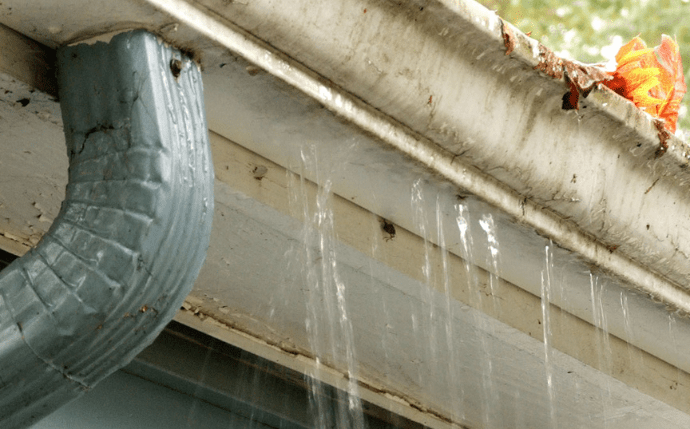
A gutter system looks simple from the ground. It is just a narrow channel along the roof edge, a downspout at the corner, maybe a splash block at the bottom. Yet anyone who has spent time around exterior home repairs knows gutters are one of the first parts of a house to show stress. They work through every season, they sit exposed to sun and wind, and they have almost no margin for neglect. When they fail, the damage often shows up somewhere else first, inside the basement, along the fascia, at the foundation, or in the landscaping.
That pattern is especially common in a place like Hackettstown, where homes move through humid summers, heavy fall leaf drop, winter freeze and thaw cycles, and hard spring rain. A gutter does not need a dramatic event to fail. Most of the time, failure is gradual. Water starts overshooting one section during a storm. A seam opens. A spike loosens. Ice lifts a run just enough to change the pitch. By the time the homeowner notices staining on siding or pooling near the front steps, the gutter has usually been underperforming for months.
When people search for Gutter Repair Hackettstown, they are often reacting to that visible symptom. The smarter move is to understand why the system failed in the first place. Repairs last longer when the cause is addressed, not just the symptom.
Gutters do more structural work than most homeowners realize
The purpose of a gutter is not simply to catch rain. It is to control where roof runoff lands. A modest-sized roof can shed a surprising amount of water during a strong storm. Even a short burst of rainfall sends gallons rushing off shingles and toward the eaves. If that water is not collected and directed away from the house, it pounds the soil at the foundation line, splashes mud and debris onto siding, erodes flower beds, and can find its way into crawl spaces and basements.
Over time, poor drainage affects more than the obvious areas. Fascia boards begin to rot when water backs up under the drip edge. Soffits stain. Paint fails early. Walkways become slick. In winter, refreezing runoff can create dangerous ice patches where people step out of their cars or approach the front door. I have seen situations where the homeowner focused on a wet basement, paid for interior waterproofing, and still had water trouble because the real issue began twelve feet higher at the gutter line.
That is why gutter repair should not be treated as a cosmetic service. It is a drainage correction. On a well-built house, drainage details matter as much as the visible materials.
The Hackettstown climate is hard on gutters
Local weather conditions shape the types of failures that show up most often. In and around Hackettstown, the combination of broad seasonal swings and mature tree cover creates ideal conditions for gutter wear.
During the fall, leaves and seed pods pack into troughs and downspout outlets. Not every clog is dramatic. Sometimes a thin mat of wet debris forms over the outlet and works like a lid, slowing drainage just enough that water stands in the gutter after every storm. That standing water adds weight, attracts more debris, and shortens the life of the metal.
Winter is often where minor issues become expensive ones. If the gutter is partially clogged or pitched poorly, trapped water freezes in place. Ice expands, brackets strain, seams separate, and the front lip of the gutter can bend outward. Snow sliding from the roof adds another load. Even when there is no major ice dam on the roof itself, the gutter can become a shelf that collects frozen mass. Once that section is distorted, water no longer runs cleanly to the downspout.
Spring exposes whatever winter damaged. The first heavy rain reveals leaks at joints, overflow at corners, and sagging sections that now hold water instead of moving it. Summer brings its own pressure. Heat causes expansion and contraction. Fast afternoon storms dump water quickly, which means undersized gutters or too few downspouts suddenly show their limitations.
These seasonal patterns are why a gutter can appear acceptable in July and still be close to failure by November.
Clogs are the obvious culprit, but not the only one
Most homeowners assume gutters fail because they are full of leaves. That is certainly a leading cause, but it is not the whole story. A clean gutter can still fail if it was installed with poor pitch, attached to weak wood, sized incorrectly, or damaged over time by ice and runoff.
What makes diagnosis tricky is that multiple problems often overlap. A house may have one clogged downspout, one section with back pitch, and one corner where the fascia is soft from years of minor leakage. Cleaning alone helps, but it does not fully repair the system. That is where experience matters. A rushed inspection from the ground misses the chain of cause and effect.
I have seen gutters cleaned thoroughly, only to keep overflowing in the same spot because the installer left a low area between hangers. I have also seen seamless aluminum systems blamed for leaking, when the real problem was a roof valley dumping too much concentrated water into a short run that needed a larger outlet or an additional downspout. Good repair work begins with reading the water pattern, not just looking for debris.
Poor pitch quietly ruins performance
One of the most common repair issues is incorrect pitch. Gutters are supposed to slope slightly toward the downspout so water drains instead of sitting. The slope is subtle enough that you may not notice it from the ground, but the water notices immediately.
If a run is too flat, water lingers after rainfall. Over time, that creates staining, mosquito breeding in warmer months, corrosion in older metal systems, and extra weight on hangers. If the pitch is reversed in even a short section, water pools in the middle or against a corner, then spills over the front edge long before the gutter is technically full.
Pitch problems usually come from one of three sources. The original installation may have been careless. The hangers may have loosened, letting the run settle unevenly. Or the fascia beneath the gutter may have deteriorated and lost its ability to hold the line straight. The fix depends on which of those is happening. Refastening a gutter to rotten wood is not a repair, it is a delay.
In practical terms, this is why two homes on the same street can perform very differently during the same storm. One has a gutter system that was laid out thoughtfully with proper fall and support spacing. The other has a run that looks fine from the driveway but has three small low spots that turn every hard rain into an overflow event.
Fascia rot is often discovered too late
A gutter is only as sound as the material holding it. The fascia board behind the gutter takes years of splashback, trapped moisture, and occasional hidden leakage. By the time paint peels or the gutter visibly pulls away, the wood may already be soft.
This is a common surprise during repair work. A homeowner calls because a gutter corner detached after a storm. Once the crew removes that section, the board behind it crumbles around the fasteners. At that point, the job is no longer just a metal repair. The substrate has to be rebuilt or replaced before the gutter can be secured properly.
Fascia rot tends to start in predictable areas, around seams, behind clogged sections, near roof valleys, and at end caps where water can sit. Homes with older wood trim are especially vulnerable, though newer homes are not immune if the drainage pattern has been poor for years. Covering the area with new metal does not solve the underlying problem. If the wood remains compromised, the gutter will pull loose again.
This is one reason experienced contractors take time to probe suspect areas rather than simply tightening screws and calling it done.
Seams, corners, and end caps are natural weak points
Even well-maintained gutters have places where leaks are more likely to appear. Every joint is a potential failure point. Traditional sectional systems have more of them, but even seamless runs still include corners, downspout drops, and end caps where sealant or mechanical connection matters.
As sealants age, they lose flexibility. Ultraviolet exposure, temperature swings, and standing water all speed that process. A seam that held for years may suddenly start dripping after a winter of repeated freezing. Sometimes the leak is obvious, with water visibly streaming from a corner. Other times it shows up as dark streaks on fascia or a recurring wet spot on the ground.
Small seam failures can often be repaired if the surrounding metal is still sound. But if the gutter has twisted, corroded, or separated under load, patching becomes a short-term move. I have seen homeowners spend money on repeated caulking because the leak kept returning, when the real issue was movement in the system. Sealant works best when the parts being sealed are stable.
Downspouts fail in ways people tend to overlook
The gutter gets the attention, but the downspouts finish the job. If they clog, disconnect, or discharge too close to the house, the whole system underperforms.
A downspout may be blocked by leaves at the top, but it can also clog lower down with roof grit, twigs, or even a crushed section that narrows the path. Older elbows are especially prone to collecting debris. In some homes, landscapers inadvertently create problems by repositioning splash blocks, burying lower extensions under mulch, or damaging spouts with mowers and trimmers.
Discharge location matters as much as flow. A perfectly functioning gutter system can still contribute to foundation moisture if the water empties right beside the house. That happens often on smaller lots or around porches where routing options are limited. The repair in that case may not involve the gutter itself. It may require a better extension, underground drain tie-in, or a revised downspout route that respects grading and walkways.
This is where judgment matters. A repair should fit the property, not just restore the original configuration if the original layout was flawed.
Ice and snow create a different class of damage
Winter gutter damage has its own mechanics. Water trapped in a gutter expands as it freezes, and ice is not gentle. It can pry open seams, deform the trough, and force the rear edge away from the fascia. Add snow load from the roof and the stress multiplies.
On some homes, especially those with steep roof sections or valleys directing concentrated runoff, the gutter becomes the first point of impact for sliding snow. Even if guards are installed, they are not designed to stop heavy snow or solid ice. I have seen guards flattened along with the gutter beneath them.
Not every winter problem points to the need for heated cables or major roof work. Sometimes the issue is simply that the gutter was already holding water because of pitch or blockage. But in repeat problem areas, the repair plan may need to account for snow behavior, roof geometry, and attic ventilation. A repair that ignores winter loading is often fine until the next cold season proves otherwise.
Material age and installation quality matter more than brand names
Homeowners often ask whether their problem is happening because the gutter material is cheap. Sometimes yes, often no. Most residential systems in this region are aluminum, and aluminum can last a long time if it is sized properly, supported well, and kept draining. Steel is strong but more vulnerable to rust if coatings fail. Vinyl is less common on higher-quality jobs because it can become brittle and separate over time, especially in climates with temperature extremes.
What matters more than brand labels is the quality of installation. I would trust a correctly installed mid-range aluminum system over a premium product hung with too few supports and the wrong pitch. Fastener choice matters. Hanger spacing matters. Outlet placement matters. The way the drip edge interacts with the back of the gutter matters. Those details determine whether water goes where it should or sneaks behind the system.
Older spike-and-ferrule gutters deserve special mention. They were common for years, and many still perform adequately, but spikes tend to loosen as wood ages and seasonal movement repeats. Once that happens, sections begin to pull away from the house. Modern hidden hangers usually provide better long-term stability, especially where snow and ice are routine concerns.
Repairs that actually make sense, and repairs that only buy time
Not every failing gutter needs full replacement. Some repairs are cost-effective and durable when the rest of the system remains solid. Others are temporary by nature, and homeowners should know the difference before spending money.
A good repair candidate usually has limited damage in an otherwise healthy system. That may include resecuring a few loose hangers, correcting pitch on one run, resealing an isolated corner, replacing a dented downspout, or rebuilding a short section after tree impact. Those are targeted fixes with a reasonable service life.
A poor repair candidate is a system with widespread sagging, multiple active leaks, corroded metal, rotted fascia, and chronic overflow from undersizing or bad layout. In that case, patching one area often just shifts the failure to the next weak point. It is similar to repairing one shingle on a roof that has already reached the end of its life. The work is not wrong, but expectations need to be realistic.
If you are trying to judge whether repair is still worthwhile, these signs usually point to a more substantial problem:
- repeated overflow in the same areas after cleaning
- gutters pulling loose from the fascia or visibly bowing
- water marks behind the gutter or rotting trim at attachment points
- multiple leaking seams and corners across the system
- pooling near the foundation despite functioning roof drainage during light rain
That short list does not automatically mean replacement, but it does suggest that a basic cleaning or spot seal is unlikely to solve the issue for long.
The most expensive gutter damage usually happens below the roofline
The reason timely repair matters is not that gutters themselves are expensive compared with major home systems. It is that failed gutters damage things that are more expensive to fix.
Foundation settlement is one example, though it typically develops over time rather than from one storm. More commonly, I see localized soil washout, basement seepage, rotted trim, damaged shutters, peeling paint, and stained masonry. On homes with finished lower levels, persistent exterior water can eventually show up as musty smells, damp carpet edges, or warped baseboards. None of those repairs begins at the gutter, but many of them end there.
Landscaping also suffers. Beds beneath overflowing roof edges get hammered. Mulch migrates. Decorative stone sinks into the soil. Shrubs near entryways become mud-splashed and stressed. If the overflow lands on concrete or pavers, you may get algae growth and slippery surfaces. These secondary effects are part of the true cost of postponing repair.
A homeowner might hesitate over a few hundred dollars for corrective gutter work, then spend several times that amount repairing wood rot around a front porch where runoff was ignored for two seasons.
What a careful inspection should look for
A proper gutter assessment does not stop at whether water is coming out of the downspout. It should consider how the entire roof edge performs under load and where that water ends up once it leaves the system.
A useful inspection typically includes looking at the pitch of each run, the spacing and condition of hangers, seam integrity, fascia soundness, downspout capacity, outlet placement, and signs of water bypass behind the gutter. Roof valleys deserve extra attention because they concentrate flow. So do inside corners, where debris tends to settle and leaks often begin.
There is also value in looking at the ground. Splash marks on siding, trenches in mulch, staining on foundation walls, and eroded spots near corners all tell the story of where water has been misbehaving. Sometimes those clues are more revealing than the gutter itself.
For homeowners in the area searching for Gutter Repair Hackettstown, this matters because the best service call is not the one that merely stops the current drip. It is the one that explains why the drip started and what else could fail if nothing changes.
Maintenance helps, but it has limits
Routine cleaning is worth doing. There is no sophisticated answer that replaces basic maintenance, especially in neighborhoods with mature trees. But cleaning should not be mistaken for a cure-all. If the system is undersized, pitched wrong, or fastened to failing fascia, debris removal only restores a flawed design.
The timing of maintenance matters too. Many homeowners clean once in late fall and assume they are done. In reality, some homes need another check in spring after winter movement and early seed drop. Properties near pines, maples, or heavy oak cover may need more frequent attention. A one-size schedule does not fit every lot.
Gutter guards can reduce debris buildup, but they are not magic. Some perform well under the right conditions. Others make cleaning less frequent but more complicated. Fine debris can still accumulate, and guards do not fix pitch problems, weak wood, or bad water discharge. I have seen homeowners disappointed in https://chanceyepz821.quillnesty.com/posts/gutter-repair-hackettstown-for-loose-brackets-and-misalignment guards because they expected zero maintenance, when what they actually bought was reduced maintenance.
Why local repair judgment matters
Gutter work is deceptively easy to underestimate. From the street, many homes look similar. Up on a ladder, every house has its own set of variables, roof edge geometry, tree exposure, trim condition, grade, and runoff behavior. What works on one property may be the wrong fix on the next.
That is why local experience counts. A contractor familiar with the patterns around Hackettstown is more likely to anticipate freeze-thaw issues, heavy leaf loads, and the kind of runoff concentration that happens on older homes with additions, dormers, or porch tie-ins. They are also more likely to recognize when a simple repair is enough and when it is throwing good money after bad.
The best gutter repairs are not flashy. They are the ones that keep water moving quietly, season after season, without drawing attention to themselves. That usually means thoughtful diagnosis, solid fastening, corrected pitch, sound wood behind the metal, and a discharge plan that takes water away from the house instead of simply off the roof.
When gutters fail, they rarely fail all at once. They give warnings. Overflow in a storm, a loose corner, a stain under the eave, a puddle by the foundation, a downspout that drips long after the rain ends. In Hackettstown, where weather tests exterior systems all year, those warnings are worth taking seriously. A timely repair protects much more than the gutter itself. It protects the parts of the home that are far less forgiving once water gets where it does not belong.
Just Gutters LLC
Address: 262 Main St, Hackettstown, NJ 07840
Phone number: +12013319454
FAQ About Gutter Repair Hackettstown
What is the average cost to repair gutters?
The average cost to repair gutters is about $390, with most jobs ranging from $120 to $900 depending on the damage. You can explore detailed data and estimates on Angi.
Can I repair a gutter myself?
Yes, you can easily repair most common gutter problems yourself if you are comfortable working on a ladder.
How much does it cost to repair a leaking gutter?
The average cost to repair a leaking gutter ranges from $75 to $350. Most homeowners spend around $150 to $250 to hire a professional to patch small holes or reseal leaking joints. If the damage is severe and requires replacing entire sections, the price can increase from $300 to $800.